(35of55).jpg)
September 25, 2026
Buffalo Rising
BECKY SHAW Delivers a Wild Roller Coaster Ride
Read More


We're deep into Season 47 — Becky Shaw is on stage now through October 3, and The Haunting of Hooverton Hotel opens October 24.
A Christmas Carol returns for the holidays this December, with The Hateful Elf, The Rink at the End of the World, and The Frogs still ahead as the season continues.
If you're from out of town, haven't been to see a show here in a while, never got off the couch since lockdown ended, or if you're one of our loyal subscribers... I know you're going to love this show and our season.
Stop me and say hi when you're in the lobby! I'd love to meet you.

Chris J Handley
Executive Artistic Director
Buffalo Rising
This is one of those plays that is asking you to lean in a little bit, to give it some thought, to go wild with your theories -- your conspiracy theories about what’s happening here.

Audiences who embrace new work are a special group of theatergoers, and playwright Kristoffer Díaz is happy to acknowledge their bravery. “On behalf of the playwrights who write new plays, thank you and keep coming, and we’ll do our best to give you stuff that feeds that hunger,” he said. Díaz, nominated for a Pulitzer Prize for The Elaborate Entrance of Chad Deity, and author of the book of Alicia Keys’ Hell’s Kitchen (coming to Shea’s next season), now brings his latest play, Things with Friends, to Alleyway Theatre in Buffalo, a work born from personal experience and a love of theatricality.

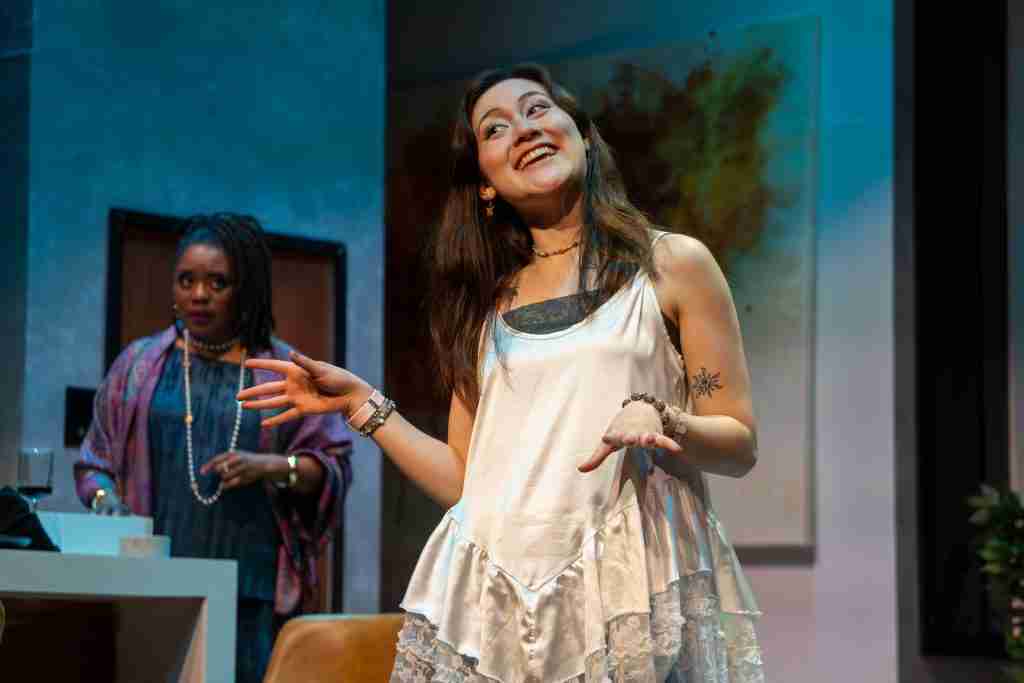
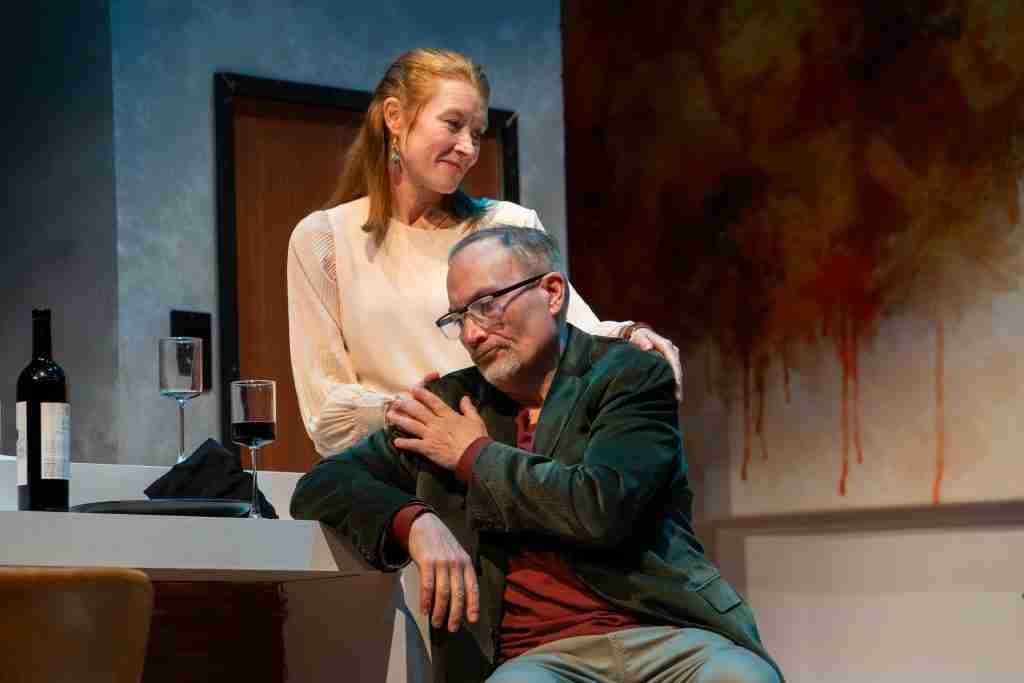

The inspiration for the play struck during a moment of chaos. “I was living in Brooklyn during what would later be called Superstorm Sandy. And I had a maybe six-month-old son, and he and his three other friends who lived in our apartment building – I remember them very clearly looking out the window, their faces sort of pressed up against the glass with this torrential rain coming,” Díaz recalls. “This rain was really bad. We live on an island that was going to be cut off from the rest of the world by this rain…. And we had trouble in the ensuing weeks…And yet, my focus in those moments had to be helping to entertain these three little kids, and feeding them and dealing with their immediate concerns. So that sense of ‘How does life continue to go on [or change in some way] in the face of impending doom,’ was the issue that I wanted to wrap my head around.” That experience of navigating life amid uncertainty became the seed for a play that explores resilience, human connection, and the absurdities of everyday life.

Díaz also wanted the play to celebrate the theater itself. “Not to say that there isn’t room for plays where people are on the couch talking to each other, which is what Things with Friends is in a lot of ways, but [this play] celebrates the live event,” he says. “We make clear that we get a different set of permissions when we’re aware that the audience is there. We don’t hide an awareness of the audience. We don’t expect the audience to pretend that they are not there in a space with people who are acting something else out.” In Things with Friends, realism, heightened theatricality, and playful audience awareness coexist, giving the audience the rare joy of experiencing a play that is realism adjacent.

The form of the play itself grew out of experimentation. “I started writing it just for me, to figure it out. I was in a period and place where a lot of playwrights get, where they have their plays developed but not produced…So, I wrote a play that was going to work within that [workshop] space, which lends itself to this weird form of this play, where there is a character kind of reading the stage directions while you see it happening in production,” Díaz explains. The result is a work that embraces theatrical risk, asking both actors and audience to suspend expectation and enjoy the unexpected.
Díaz describes the play’s evolution as a conversation with theater history. “I probably talked about this play as my ‘rich people sitting on a couch drinking wine play,’ which, when I was a young writer, was my least favorite kind of play. Who’s Afraid of Virginia Woolf is, in my mind, one of the five best American plays ever written. It’s stunning. But if you are not doing that play, what are we doing? We have done that before…I was really interested in why I had that reaction, why I was sort of pushing against it. Part of it was that question about theatricality… I wanted to figure out my version of that and,
How do you rebel against a tradition while also doing the thing?
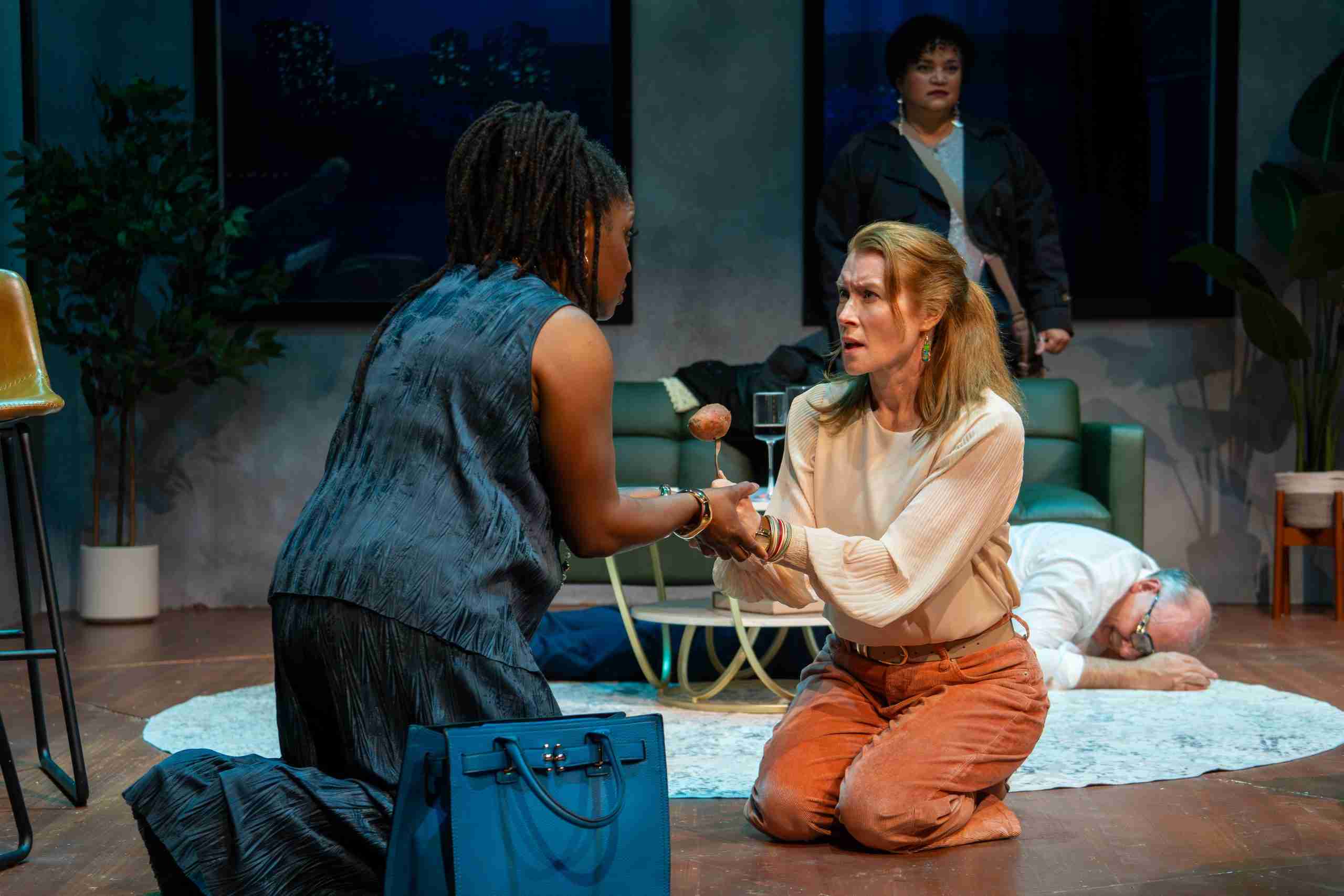
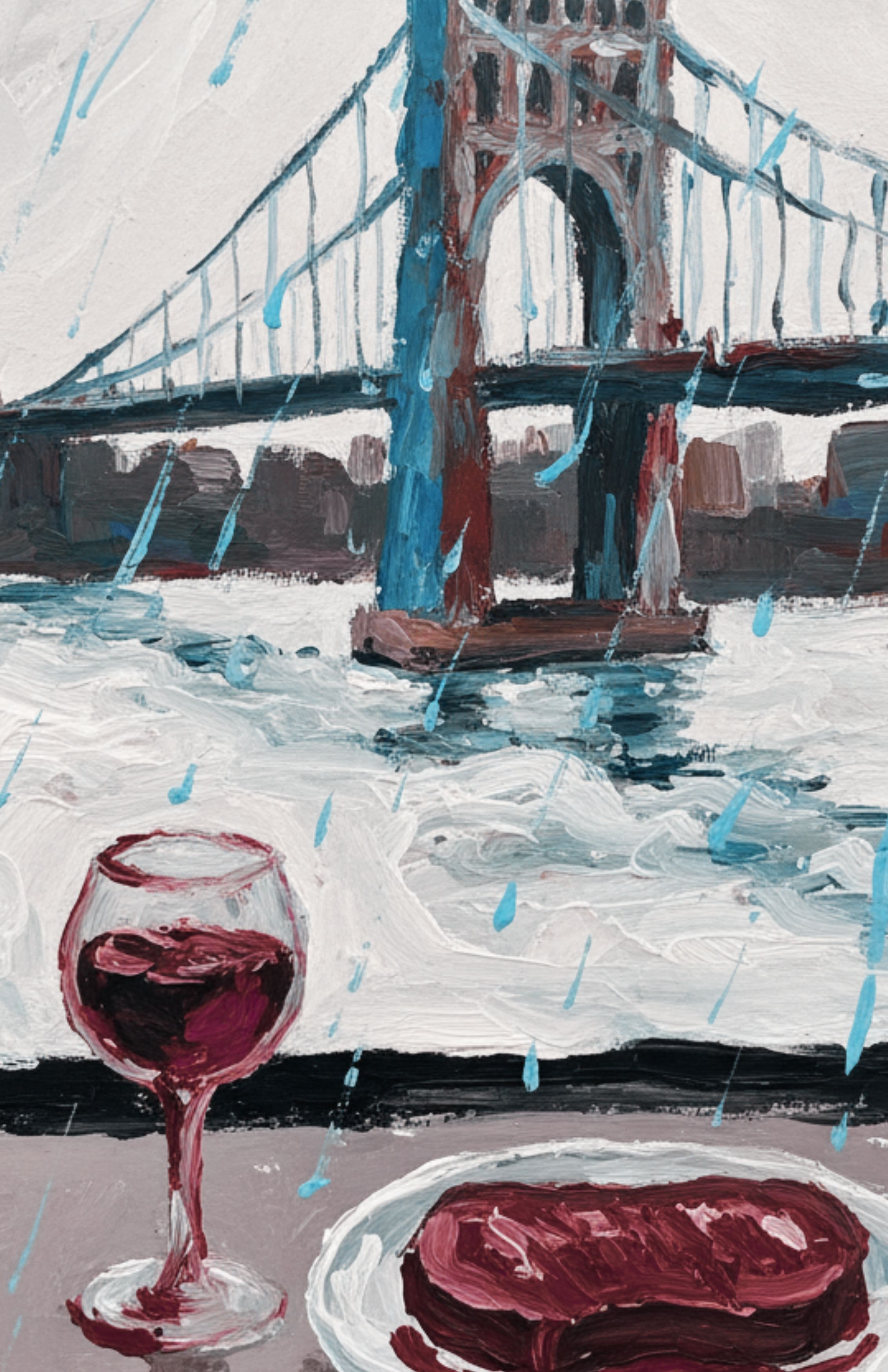
Audiences should prepare for an unpredictable theatrical journey. “It’s such a weird play – intentionally. We did the first production of it in Chicago, and people were really excited about it. It’s been very well received. [The audience had] a lot of the sense of, ‘I’m still not entirely sure what’s happening, but it’s making me think about that.’ And that’s what we really wanted to get to,” he says. The play begins in an uptown Manhattan apartment, and only later reveals that “the George Washington Bridge has collapsed into the Hudson River,” but Díaz stresses that the story continually challenges expectations. “This is one of those plays that is asking you to lean in a little bit, to give it some thought, to go wild with your theories -your conspiracy theories about what’s happening here. And have some fun. And hopefully just when you think you have a handle on what’s going on here, we’re going to take it away from you.”
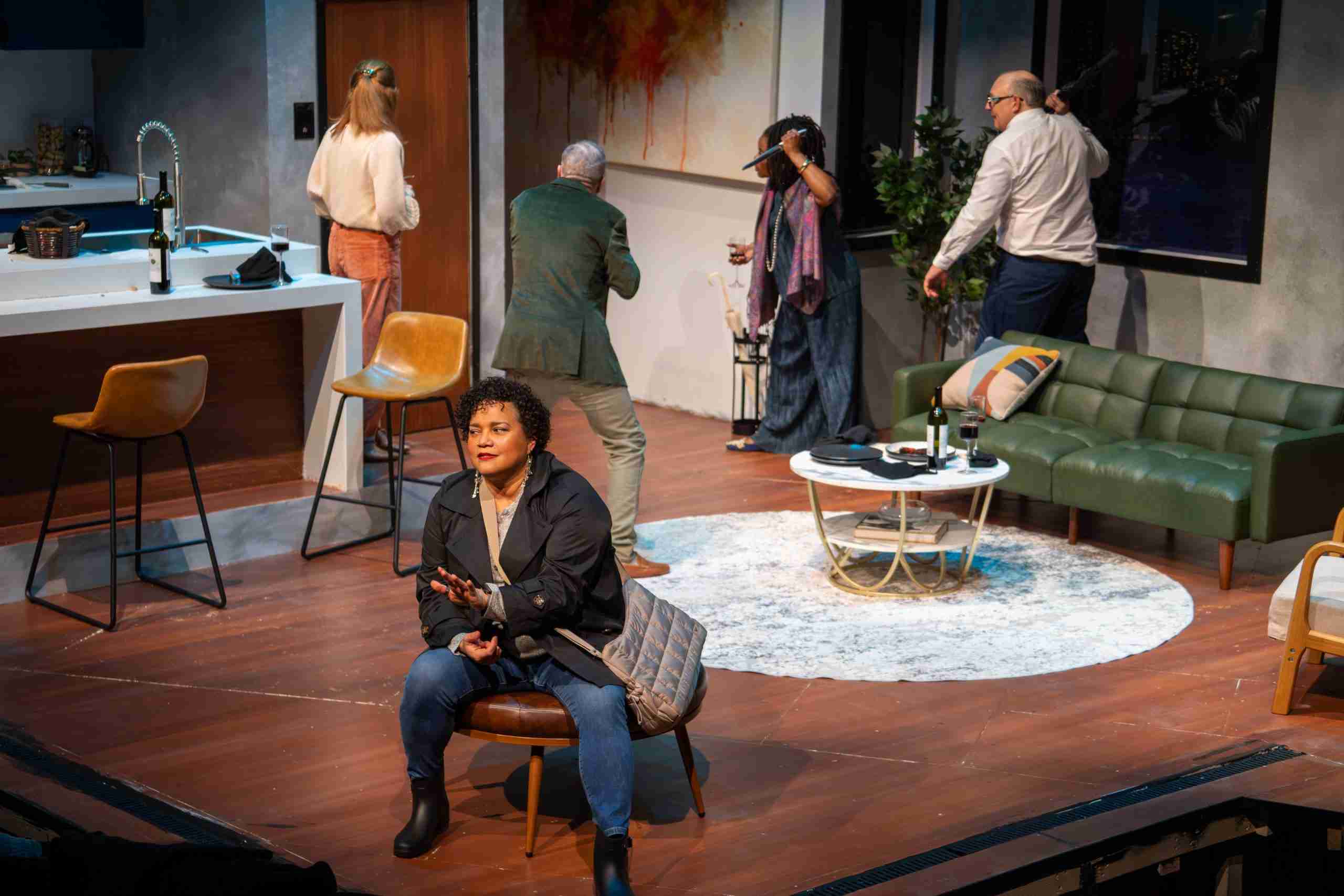
With Things with Friends, Díaz delivers a playful and thoughtful exploration of how life persists, even under absurd or catastrophic circumstances. It’s a celebration of theater itself, a work that asks audiences to engage, question, and participate, and a production that promises to leave Buffalo theatergoers talking about Things with Friends.
(22of55).jpg)
(1of3).jpg)